TRAVELABROOD.COM.AU

Showing posts with label ASIA. Show all posts

JAPAN 2023 - KYOTO

 KYOTO, JAPAN


Anyone planning to visit Japan is likely familiar with Kyoto. For over a thousand years, the city renowned for its temples and shrines was Japan's capital. Today, this must-see destination is highly sought-after during Spring when the Cherry Blossom (Sakura) are in bloom and Autumn when the entire region is covered in a variety of fall colours.

Located in the heart of Japan's main island, Honshu, Kyoto is reachable via flights to Osaka or Tokyo followed by a shinkansen (bullet train) to Kyoto Station. Within Kyoto, getting around is convenient, either by the local transportation network, taxi or on foot. We visited over the Culture Day long weekend in November. From Tokyo Station to Kyoto Station, the shinkansen took a little over two hours, with both stations and the train being exhaustingly crowded.

Once in Kyoto, your next decision is knowing where to stay. Kyoto is divided into districts, each with its own personality and proximity to local attractions. We stayed in the Gion or Geisha district - best known for its narrow alleyways lined with traditional Machiya houses - at Gion Misen Furumonzen


Arriving mid-afternoon, we headed to the Nishiki Market. Referred to as Kyoto's kitchen, the market is lined with more than a hundred shops and restaurants. Bumper to bumper with foot traffic, we navigated our way past stalls of fresh produce only stopping to try the local delicacy Tako Tamago - glazed octopus stuffed with a quail egg. Hmmm.... try it for yourself! 

Nishiki Market, Kyoto

Tako Tamago

The Samurai & Ninja Museum is located next to the Nishiki Market. There are guided tours of the museum and at the end you can dress as a Ninja and learn some martial art techniques. The whole experience takes a little over an hour. 

Kamo River

Take a sunset stroll along the Kamo River followed by dinner at one of the restaurants along Pontocho alley. We had dinner at Robin.


ARASHIYAMA

The Arashiyama district sits to the west of Kyoto, just a short 30-minute train ride away. Known for its stunning natural scenery, especially captivating during the vibrant seasons of Spring and Autumn, prepare to be enchanted by its beauty and invigorated by the walking trails. A map of the district can be found here.
Allocate a full day to explore this area, as there's an abundance of sights and activities. The primary attraction is the Tenryuji Temple, while the Bamboo Forest stands out as the area's main highlight. Guided pathways navigate you amidst the towering bamboo groves, historically utilised by local workshops for centuries to craft an array of products like mats, baskets, cups, and boxes.

Tenryuji Temple


Take a stroll past the Okochi Sanso Villa, through the Kameyama Park and down to the Oi River where you can hire a boat or join a river cruise through the scenic Hozu-kyo Ravine. 


Follow the river to the Togetsukyo bridge, then continue towards the Arashiyama Monkey Park Iwatayama, home to more than 200 Japanese Monkeys. Return to Kyoto by boarding the Hankyu Electric Railway at Hankyu Arashiyama Station. The beautifully adorned, wood-panelled carriages evoke a nostalgic ambiance, transporting you as if you've stepped onto a movie set.


FUSHIMI-INARI SHRINE


Located in Southern Kyoto, the Fushimi-Inari Shrine stands as one of Kyoto's most frequented. Renowned for its thousands of torii gates that form a pilgrimage hike behind the main buildings, the 5km journey to the summit at 233m will take around an hour. 


We visited late afternoon and although the shrine is open 24-hours per day and free to visit, we opted for the 5km walk back to Gion via the river. 


Exhausted and hungry we made our way to Obbli for specialty taco's. Tanny, a Kyoto native, picked up the craft of making tacos during Covid, binge-watching The Taco Chronicles on Netflix. Turning his bar into a taqueria, this funky bar not only serves up a variety of Mexican delights, Tanny also mixes up potent margaritas!


HIGASHIYAMA

Our last morning in Kyoto and we headed to Maruyama Park. This is one of Kyoto's prettiest open spaces and hugely crowded during Cherry Blossom time. 


Nanzenji Temple is one of the most important Zen Temples in Japan. The main complex is surrounded by sub temples and there is a waterfall grotto approximately 200m up in the hills behind the temple.


The Philosopher's Path is another of Kyoto's most picturesque walks. Near 2kms long, the path follows the Lake Biwa Canal and is lined with a number of restaurants, cafes and boutiques. 

Philosopher's Path

Kyoto has so much to offer, one trip is just not enough. I would love to see it during Spring when the Cherry Blossom is in bloom; however, I was more than delighted by the beauty of Autumn.

If you don't have time in your schedule for Kyoto, read about three, day trips from Tokyo here.

JAPAN 2023 - 3 DAY TRIPS FROM TOKYO

 DAY TRIPPING FROM TOKYO

Often a day trip from Tokyo can be as close as a 30-minute train ride. No matter how far you travel, beyond the modern and chic districts of Tokyo are some historically beautiful towns. If your schedule permits, exploring Greater Tokyo is highly recommended. During my recent visit, I thoroughly enjoyed exploring Kawagoe, Kichijoji, Kamakura and Enoshima.

KAWAGOE

Situated a brief 30-minute train ride away from central Tokyo, Kawagoe played a pivotal role as a primary goods provider to the city during its Edo era. Established back in 830, Kitain Temple, also known as Kawagoe Daishi, rose to prominence by the 17th century. Regrettably, some sections of the temple have suffered damage over time, yet remnants of the original Edo Castle endure to this day.


In ancient India, a person who had reached nirvana was called an arahant or better known in Japanese as a Rakan. Between 1782 and 1825, over 500 stone statues representing the disciples of Buddha were carved in stone and can be found at the Kitain Temple. No two statues are alike, each with a different facial expression.
500 Statues of Rakan

Candy Alley is a little shopping street lined with Edo style buildings, selling traditional Japanese sweets, gelato and cakes. After all the walking, sweet treats are welcome.

Candy Alley delights

Kawagoe's Warehouse Districts main street, (Kurazukui Street) is a grand display of Edo Period (1603-1867) architecture. Bustling with tourists, most of the clay-walled warehouse-styled buildings house shops and restaurants. 

There is a lot to see in Kawagoe, the main drawcard being its link to the past. We visited on a Sunday, so the streets were particularly busy. For further information, I found THIS website very helpful.

KICHIJOJI

Just outside central Tokyo, Kichijoji is one of Tokyo's most livable neighbourhoods and it's not hard to see why. Popular for shopping due to the main commercial district being close to the Kichijoji Station, it also boasts the beautiful Inokashira Park, Inokashira Park Zoo and Ghibli Museum


Inokashira Park

Exiting the station, I found my way to the Inokashira Park. The moment the lake came into view the hustle and bustle of Tokyo disappeared, leaving me to soak in the serenity. I visited during Autumn, so the paddle boats were locked up for the season; however, the colours were captivating and I took my time to explore. 

Within the park is the Inokashira Park Zoo. The Aquatic Life Park is located on the water's edge; however, the main zoo gate is a mere 5-minute walk away. The zoo is small and has a petting area for small animals such as Guinea Pigs.


If you are a fan of animator and filmmaker Hayao Miyazaki, then you will want to visit the Ghibli Museum. If you are not familiar with his work, then I suggest you watch films such as: Spirited Away, Porco Rosso and Kiki's Delivery Service. They are fabulous! The museum is an easy 20-minute walk from Kichijoji Station and houses memorabilia from the Studio Ghibli films.

The three main shopping arcades of Kichijoji are: Sunroad, Daiyagai and Harmonica Yokocho (Alley). All centrally located around the station, there is a vast variety of shops and restaurants.

KAMAKURA & ENOSHIMA

Kamakura is a coastal town located about an hour and twenty-minutes from central Tokyo. To get there I took the metro to one of Tokyo's larger stations and then caught a JR train to Kamakura using my JR Pass. JR lines can be quite confusing as there are multiple trains using the same platforms/lines. Fortunately, I met a guy from New York who was also travelling to Kamakura, so he helped me out. Never be afraid to ask!


I figure Kamakura is sometimes referred to as the Kyoto of eastern Japan due to the abundance of temples. At the end of Komachi Street - where you can stop for coffee and frequent the trendy boutiques - is Kamakura's most important Shinto shrine, Tsurugaoka Hachimangu

Maiden dancing stage, Tsurugaoka Hachimangu


If you are keen to avoid the busy streets, there are several hiking trails around Kamakura. The Daibutsu Hiking Trail is a popular route for tourists visiting the Great Buddha and starts at Jochiji Temple in Kita-Kamakura. It usually takes around 60-90 minutes to complete.

Eager for a glimpse of the beach, I journeyed toward the ocean and followed the waterfront to Hase, continuing on to the Great Buddha situated within the Kotokuin Temple grounds. Originally sheltered within a grand temple hall, this 11.4-metre monument has stood exposed to the elements since the 15th century, following the destruction of the temple structures.


The Enoden electric train began in 1902 and rattles along the coast between Kamakura, Hase and Enoshima. You can buy tickets at the station or tap on/off with your credit card at the platform.


Enoshima Island is about a 20-minute walk from the station. With its abundance of attractions and activities, it merits a day trip all to itself. Getting quite late in the day, I hot footed it up to the Sea Candle, a 60 metre tall observation tower and lighthouse. On a clear day, you can see Mt Fuji in the distance.

Sea Candle

Views from the observation tower

Heading back to Kamakura and then onto Tokyo, I opted for the Shonan Monorail. Suspended from the tracks like an amusement park ride, the train weaves between buildings and houses, offering a unique perspective.

JAPAN 2023 - TOKYO

 TOKYO, JAPAN

OCTOBER 2023


Tokyo Skytree

I've been to Tokyo before. Back in 2008, I joined my husband on a business trip with our 8- and 6-year-old kids, and we fell in love with the city. A lot has changed since then, but Tokyo remains as fantastic as ever. It's still incredibly easy to get around, the locals are welcoming (and many more speak English), the food is exceptional, safety is top-notch, and the coffee scene goes beyond just Starbucks, which is a real plus. 

Direct flights are available from Australia to Tokyo, however I flew via Singapore. Prior to arrival in Japan, all visitors must pre-register their travel details via the Visit Japan website. Once you have logged in and completed all the necessary information, you can save the QR codes to your phone, making immigration very smooth.

Tokyo boasts two major international airports: Haneda and Narita. When arranging your return flights, factor in your arrival and departure points. Haneda, a mere 15 kilometers from Tokyo city, offers much greater convenience. Tokyo's trains don't run 24/7, making taxis a much cheaper option from Haneda. On the other hand, Narita is situated farther from the city and is most easily accessed through the Narita Express Train which takes just under an hour to/from Tokyo Central.

The Japan Rail Pass or JR Pass is a multi-use ticket that allows you to travel around Japan for a select period of time. If you are planning to visit a city outside Tokyo (JR Pass map) then this is your best option as a return Shinkansen (bullet train) fare will likely cost more than the JR Pass. Once validated, the JR Pass can also be used on all JR trains around the city. 

The biggest negative of the JR Pass is locating your nearest JR Exchange Office. Although these are usually found at airports and major train stations (eg: Tokyo, Shinjuku, Kyoto etc), the stations are huge and you can easily get lost. The other negative is, the JR Pass is a paper ticket, therefore if you lose it, ruin it, or forget to collect it on your way through the turnstile, it cannot be replaced.

Tokyo Tower from Roppongi

Tokyo is divided into neighbourhoods, each with its own distinct personality, therefore deciding where to stay will depend on what you want to see and do. I stayed with my daughter in Roppongi. Centrally located, it was an easy walk to the subway, great restaurants and shops. Find out more about Tokyo's neighbourhoods here.

The subway system is really easy to navigate. The lines are coloured, labelled in both Japanese and English and have numbers correlating to the station ie: Ginza G09. I found Google maps incredibly useful too as it gives you step-by-step instructions and tells you the platform number and station exit you need to use.

Japan predominantly operates on a cash-based system, therefore, it's important to carry cash. While restaurants, shops, and cafes generally accept credit cards (unless specified otherwise), it's advisable to have your physical card handy, as some places might not support contactless payments.

As of January 2022, Japan has the highest number of Michelin-starred restaurants in the world and there are over 30 types of Japanese restaurants including:
  • Ramen & Soba - Noodles
  • Yakitori - Grilled chicken
  • Izakaya - Japanese Pub
  • Tonkatsu - Deep fried pork
  • Sushi - Rice and seafood
  • Tempura - Fried seafood and vegetables
  • Shabu-shabu - Hotpot
making finding somewhere good to eat a breeze. Yet, the Japanese willingly wait in long lines just to savor a remarkable taste experience. Micasadeco & Cafe serve fluffy soufflé pancakes. Each order takes at least 30 minutes; however, the end product is truly amazing. We happily sat in the window as the queue outside grew longer and longer.


The Japanese hold a strong fascination for animals. It's common to see pet dogs being pushed around in strollers, which initially I thought was due to the crowded streets. But I later learned it's because of their immense love for their dogs—they want to prevent them from getting tired, overexerted, or having sore paws.

For those without pets, there are places like the Chiku-Chiku Cafe where you can experience a healing session. You can spend 30 minutes to an hour, petting hedgehogs in cute little displays resembling dollhouses. For a fee, you get the chance to watch, feed, and interact with these adorable creatures.


The Shibuya Scramble is a crazy crosswalk intersection where thousands of people cross simultaneously. The optimal vantage point to witness this spectacle is from an elevated position, and numerous viewing spots surround the square. Our choice was the rooftop Mag's Park atop the Magnet Building, providing an unparalleled view. Open from 11am onwards, you can observe the crossing from either the open deck or the indoor area.


You see more on foot, so from Shibuya we wandered the back streets and poked around in the vintage fashion stores of Omotesando and then onto Harajuku, witnessing exuberant fashion styles and the fun of Takeshita Street. A train ride for cocktails in Ebisu and then onto Ginza where on Saturdays between Noon and 6.00pm central Chuo Dori street is closed to vehicles.


Ginza is a shopping mecca and is home to the world's largest Uniqlo store. There is so much to see and do in Ginza, you could easily spend a day pottering around the shops. Make sure you visit the department store food courts. They are a feast for the eyes and tummy!

As mentioned, I have been to Tokyo before, therefore visiting iconic tourist spots such as the Tokyo Tower, Skytree, Meiji Shrine or Imperial Palace were not on my to-do list, therefore, leaving me to time to explore Greater Tokyo.

Asakusa is in Northern Tokyo and easily accessible on the subway. During the Edo period (1603-1867), Asakusa was Tokyo's leading entertainment district with kabuki theatres and a large red-light district. Today, the districts drawcard is the Tokyo Skytree and the Sensoji Temple.

Tokyo's Skytree dominates the Asakusa skyline

Exit the station and directly opposite is the Tourist Bureau. Here you can pick up a local map in English. I find these sometimes easier to follow than Google Maps. Here you can also join tours and exchange money. 

I had a fabulous day in Asakusa. Nakamise shopping street leads you through the Hozomon Gate and onto Sensoji Temple. From there I wandered over to Shin-Nakamise Shopping Street and then onto my kind of heaven, Kappabashi Shopping Street. Google Translate became my best friend.

Nakamise Shopping Street

Kappabashi is lined with shops selling pots, pans, cooking utensils, dishes and everything a restaurant operator would need. The knife stores are incredible and you can easily spend half a day poking around looking (and purchasing) at the beautifully crafted pottery bowls and cups.

Tokyo is adorned with numerous exquisite green spaces, and the Government has invested significant effort in planting and safeguarding street trees. Throughout the districts, recorded birdsong fills the air, enhancing the ambiance and creating the impression of avian presence beyond a single tree. Yoyogi Park stands as a delightful and highly enjoyable spot for recreational activities.

Once renowned for its daily tuna auction, the Tsukiji Fish Market used to draw hordes of tourists who flocked to the inner market as early as 4 am to witness wholesalers securing their daily fish haul. However, in 2018, the wholesalers relocated, leaving behind the outer market, which still thrives. Spanning until 2 pm, this area boasts top-notch seafood eateries, souvenir boutiques, and gift shops. Tsukiji is on the Hibiya metro line, stop H10.

Tokyo's immersive art adventure teamLab Planets is an easy 2.5km walk from Tsukiji Fish Market over the Harumiohashi Bridge or just under 1km walk from Toyosu Station (Yurakucho Line Y22). 

Get ready for a unique experience at teamLab Planets. Upon arrival, you'll need to remove your shoes and stow them away in lockers throughout your visit. Prepare for dimly lit spaces, water that reaches knee-high, rooms filled with flickering lights and numerous stunning orchids hanging from mirrored ceilings—it's just a taste of what awaits. This immersive adventure might not suit everyone. When I visited solo, I found certain areas a bit overwhelming, particularly since I wear glasses and sometimes doubt my steadiness in completely darkened spaces at my middle-aged stage.

Hundreds of orchids suspended from a mirrored ceiling

Wall to wall rope lights

The best part of Tokyo is making each district a destination and taking the time to explore the best of the city.

CHINA - CHENGDU TO SHANGHAI

CHINA
CHENGDU TO SHANGHAI
VIA CRH HIGH SPEED TRAINS
27 DECEMBER 2015 - 10 JANUARY 2016


This December/January our travels took us from Chengdu in Southwest China 1630km across the country to Shanghai in the East. We achieved this by travelling by China's High Speed Rail network which spans 28 of the 33 provinces and travels at an average speed of 200km/hr.

We were the usual brood - two seventy-somethings, two forty-somethings and two teenagers, along with our very flamboyant Chinese interpreter and friend Sissi from Shanghai's BG Interpreters.

Visas: Prior to arriving in China, you will need to visit your local Chinese consulate and obtain a visa. These can also be done online. As part of the application you will be required to show hotel confirmations, so be sure to have booked a place to stay before applying.

Vaccinations: Check with your GP for the recommended vaccinations and make sure you have them at least a month prior to departure. 

Chinese Gov. Controls: The Chinese Government have strict controls/firewalls on internet connections. If you rely on certain applications ie: Google Search, Facebook, Google Drive, Instagram, Maps, Gmail or if you have a Google phone, these won't work in China unless you have a VPN (Virtual Private Network). We learned the hard way, as although we hired a mobile hotspot wifi for the duration of our stay, we didn't unlock the VPN (which needs to be done outside China) so we were unable to access any emails. Fortunately, we could access the internet via Yahoo and Baidu, however if you rely on the cloud to access confirmations and itineraries, then make sure you print a hardcopy! Don't rely on the hotels wifi or business centre for access either.

My husband had previously travelled with our interpreter Sissi on business, so we were very grateful when Sissi agreed to accompany us on our family adventure. Prior to our arrival Sissi organised all our airport/railway transfers, car hire and deposits, restaurant bookings and made numerous phone calls on our behalf. 

The majority of people in China don't speak any English, so catching taxi's, ordering food or buying tickets can be a very frustrating game of charades. We even found that some taxi drivers had no idea where the hotels were or could comprehend the hotel business cards written in Chinese! Our experience with taxi drivers didn't differ between Chengdu and Shanghai.

Car & driver hire: An 11 seater van and driver averaged around AUD $200-$300 per day depending on the rental time and distance you travel. This included all tolls, parking and lunch for the driver. None of our drivers spoke any English so Sissi proved invaluable when we needed to contact the driver to collect us or if we had a change of plan. I also had all the names and addresses of the destinations on our itinerary written in Chinese. Most of these I was able to copy and paste from Tripadvisor.


HSR Tickets: High Speed Rail tickets can be booked online via C-trip. Tickets can be booked a maximum of 60 days prior to travel and can be delivered to your hotel, however someone must be there to sign for them. Alternatively, you can book online and collect your ticket at the train station. We collected the tickets for all our train trips the afternoon prior to our first departure. We queued for at least 40 minutes and then waited another 40 minutes for the tickets to be issued.

The trains don't wait for anyone, so make sure you are at the station with time to spare as not only do you go through a security and passport check, your platform could be a 200m (or more) walk from the security point. 


Note: High Speed Trains are G, D or C trains. Each of these have different types of seats. G trains and some D trains have Business Class seats.


CHENGDU

成都市


Chengdu is the capital of the Sichuan Province. Home of traditional spicy sichuan hotpot, giant Pandas and brocade, the city has grown quickly to accommodate the influx of visitors arriving via air and rail.

In Chengdu we chose to stay at the Sofitel Chengdu Taihe through Booking.com.

Winter in China is usually dry, foggy and moderately polluted with fewer hours of sunlight. At 7.00am music started playing outside like an alarm clock to wake the city up. The day was still just coming to light at 8.00am when we joined for breakfast.

Day one of our adventure had us collected from the hotel around 9.30am and taken to the Jinsha Site Museum. This archeological site was discovered in 2001. Dating back to the Shu Kingdom it is a huge discovery for the city and gives a lot of explanation as to the sudden disappearance of the bronze age Sanxingdui culture. 
The main gate to the museum is the South Entrance, however the Exhibition Hall at the North Entrance showcases the variety of artifacts that have been unearthed. Viewing all the gold, ivory, jade, pottery etc. and reading about the history of the people and culture before moving to the Relics Hall puts the burial site, residential site and palace foundations into perspective. The gardens are also particularly lovely to wander through.

Relic Hall, Jinsha Site Museum

Note: Be sure to take ID with you when visiting museums in China. Entry is free for those over 70 and teenagers under 16 are concession. Don't put your passport away too quickly however, as although the ticket office have issued you a ticket, you will need to show your ID again and again and again at any guarded door or gate.

The Song Xian Qiao Antique Markets are the second largest in Chengdu and a good place to shop for souvenirs. Located near the Du Fu Thatched Cottage and Wu Hou Temple, it is best to visit late morning when it really gets into full swing. This is also a great place to practise your bargaining skills. It is also a nice place to stop for a bite to eat overlooking the river.


A bead stall at the Song Xian Qiao Antique Markets
Chengdu was not only the birthplace of the first widely used paper money, it was also the origin and major production base of Chinese Silk which was traded along the famous Silk Road. The Chengdu Shu Brocade & Embroidery Museum gives you an amazing insight into the history of Chengdu, silk production and the different types of brocade. Even if you aren't interested in embroidery, try not to miss this museum.


Jinli Old Street is a great way to end a cultural day. It buzzes with locals, tourists and foodies dining out at the food stalls. It is one of the oldest streets in the province and showcases the architectural style of the residences in western Sichuan Province.

Other famous streets to visit in Chengdu are Kuan and Zhai Xiangzi (Wide and Narrow Alley). Both are close to the People's Park which houses traditional teahouses and is a nice place to people watch.


Steamed snow pear with peach sap
Yu Zhi Lan Restaurant is a must in Chengdu. Located at No. 24 Changfa Street, Qingyang District Ph: 028 6249 1966 email: 1600567582@qq.com. Make sure you book in advance for this gastronomic degustation. The set menu is from RMB 600 per person and includes tea. A wine list is available on request. 

Handmade 'golden silk' noodles


MOUNT QINGCHENG


青城山


Mount Qingcheng is about an hour and a half drive west of Chengdu. Located here you will find the Dujiangyan Irrigation System which dates back to 256 BC and Panda Valley.


Panda Valley is one of China's best kept secrets and tours of the Giant Panda base can be organised via the Six Senses Mount Qingcheng Resort. (Panda Valley is not to be mistaken with the Chengdu Panda Research base located in Chengdu.) There are only around 20 or so Panda's housed at Panda Valley and on the day we toured we had the whole park to ourselves. It was an absolute treat to be able to watch these amazing creatures in a natural environment and learn from our very knowledgeable guide Olaf, from Six Senses Resort, all about the research, rehabilitation and conservation program, the history of the Panda and general information.


After our visit with the Panda's, we headed to Six Senses where we had a very nice lunch at the F2F Restaurant after a tour of the recently opened resort. With magnificent views of Mount Qingcheng, a fabulous spa, pool and organic garden, we suddenly wished we had booked to stay a night or two. Six Senses also offers tours of the Dujiangyan Irrigation System, Mount Qingcheng and the history of Taoism.

Six Senses Luxury Indoor Pool
Views of Mount Qingcheng from Six Senses

Mapo Tofu is one of Chengdu's traditional dishes and comes highly recommended. Unfortunately, after our huge day out we didn't make our booking and instead had a very nice japanese dinner at Fuji Restaurant located on the second floor of the Sofitel Chengdu Taihe.


YUANTONG OLD TOWN

元通古镇


Sichuan  province is home to a dozen historical towns, so we took the opportunity to visit Yuantong on return to Chengdu from Mount Qingcheng. 


Yuantong is about 40km from Chengdu and has a history of more than 1,600 years. Along the river, rich traders built their shops, warehouses and homes which can still be seen today. 

A traditional teahouse in Yuantong


YICHANG

宜昌

We arrived in Yichang mid-afternoon so took the opportunity to visit the Chinese Sturgeon Museum. Producers of the increasing popular chinese caviar, the sturgeon's habitat and migratory patterns were interrupted by the construction of the Yangtze River Dam. Now a state-protected animal, the conservatory institution houses various species of sturgeon and other marine life found in the Yangtze. 

In Yichang, we chose to stay at the Crown Plaza. On our first night we had a very nice dinner at the hotel Teppanyaki Restaurant on the 2nd floor. 

Map of the Three Gorges Dam area


Yichang is the second largest city in Hubei province and the Three Gorges Dam is its number one attraction. 

Spanning the Yangtze River at Sandouping around an hours drive from downtown Yichang, the Three Gorges Dam is the world's largest hydropower project.


Visitors to the dam are bused from the visitor reception centre to the scenic area. Where you can view the two-way five-step ship lock. 185 Platform is located on the left bank where you can get a birds-eye view of the whole dam. Across the bridge is the Memorial Park where you can see the lower side of the dam wall.


Views Xiling Gorge from Fangweng Hanging Restaurant

The Three Visitors
Xiling Gorge is the longest of the Three Gorges and has some of the best cave scenery in the area. 

Sanyou Cave and is named after Three Tang Dynasty poets and officials. The stairs down to the cave are quite steep, so only go if you know you can get back up the stairs! 


Lunch or dinner at Fangweng Hanging Restaurant is not to be missed. The main part of the restaurant is in a cave, however balconies protrude the cave with a couple of tables on each. Make sure you book and request a window or outdoor table as the views of Xiling Gorge are amazing. We had one of our best meals at Fangweng whilst we watched bungy jumpers bravely throwing themselves off a platform on the opposite side of the gorge.


WUHAN
武汉市

Wuhan is the capital of Hubei Province and was just a lunch stop as we had to change trains to Nanjing. With a couple of hours to kill, we visited Hubu Alley. It was New Years Day when we visited, so the famous food street was full of visitors and the food didn't disappoint. Everything from poultry, seafood and dumplings were on offer. After fighting the crowds, we found a quite table and tucked into freshly made dumplings. 


NANJING
南京

Originally known as Nanking - Southern Capital, Nanjing is one the Four Great Ancient Capitals of China and boasts an extensive history. 

In Nanjing we stayed at the InterContinental which is the largest skyscraper in the city at 88 levels. It can't be missed, however taxi drivers did struggle with the name and location card distributed by the hotel!

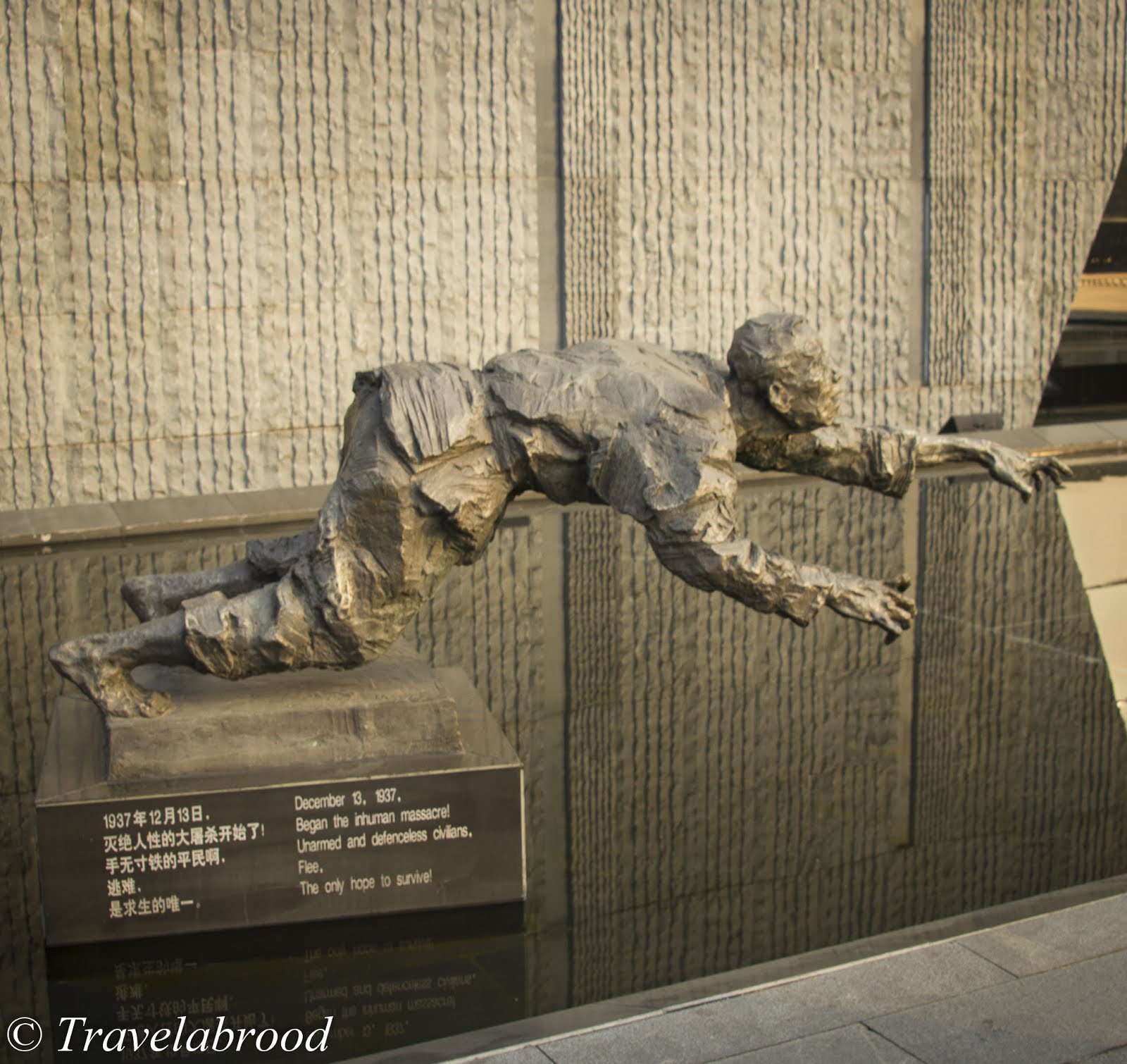
The best place to start your visit to Nanjing is at the Nanjing Massacre Museum where you learn how over a six week period from December 1937 - January 1938, the Japanese rapped and murdered 300,000 civilian Chinese people. It also tells the history of Nanjing and the layout of the city along with a moving tribute to those who fought and lost. It a definite must do!

People start queuing to visit the memorial from 8.00am for the 8.30am opening. I suggest you get there early as once the tourist buses arrive the queues become very long. 

Nanjing is a very pretty city with wide roads and plenty of open space. It has a young student population. Nanjing University is one of the oldest in China. It is a really picturesque place to visit with avenues of trees and old buildings still in use today. The markets and food streets near Nanying Yanging alley on the Shanghai Lu side of the university are also a great place to wander. 

The Confucius Temple and Fuzi Miao Scenic area is popular with tourists and boast good food stalls. From here we also visited the Ruins of the Ming Dynasty Palace.

Seleccion Espanola was a nice change to Chinese food. Owned and operated by two young Spanish backpackers who decided to "give it a go", the restaurant is small and simply furnished. The food (cured meats, pincho's and paella) and atmosphere was very good and although the service was a little slow, there were a couple of reds on the wine list we were happy to try, so the wait time was well spent.


Zheng He was an explorer in 1405 and made 7 voyages around Asia and Africa on huge treasure ships built in Nanjing. Today the Zheng He Treasure Ship Park has a replica ship and information regarding the designs, building and voyages. The park is another example of Nanjing's peaceful open spaces.


Gan's Grand Courtyard is a large, once private, residence located in central Nanjing. Gan was an ambassador educated in England and France in 1866 and he and his family lived in the residence. You can wander through the impressive gardens and courtyards and get a feel for how the family lived. Some of the rooms have been left set up as living, bedroom and kitchen, while the residence is now mostly used for cultural classes.

If you are looking for a fun, noisy, traditional meal go no further than Nanjing Impressions. Set up as a tea house with waiters in traditional dress and live cultural entertainment, the food was delicious. We visited the Nanjing Impressions at Deji Plaza, Nanjing.

We really enjoyed visiting Nanjing and would love to return and visit the Zhong Mountain Scenic Area, Xuanwu Lake Park and the Yuejiang Tower Scenic Area which apparently has a beautiful temple, however is no where near as touristy or busy as the Confucius Temple.